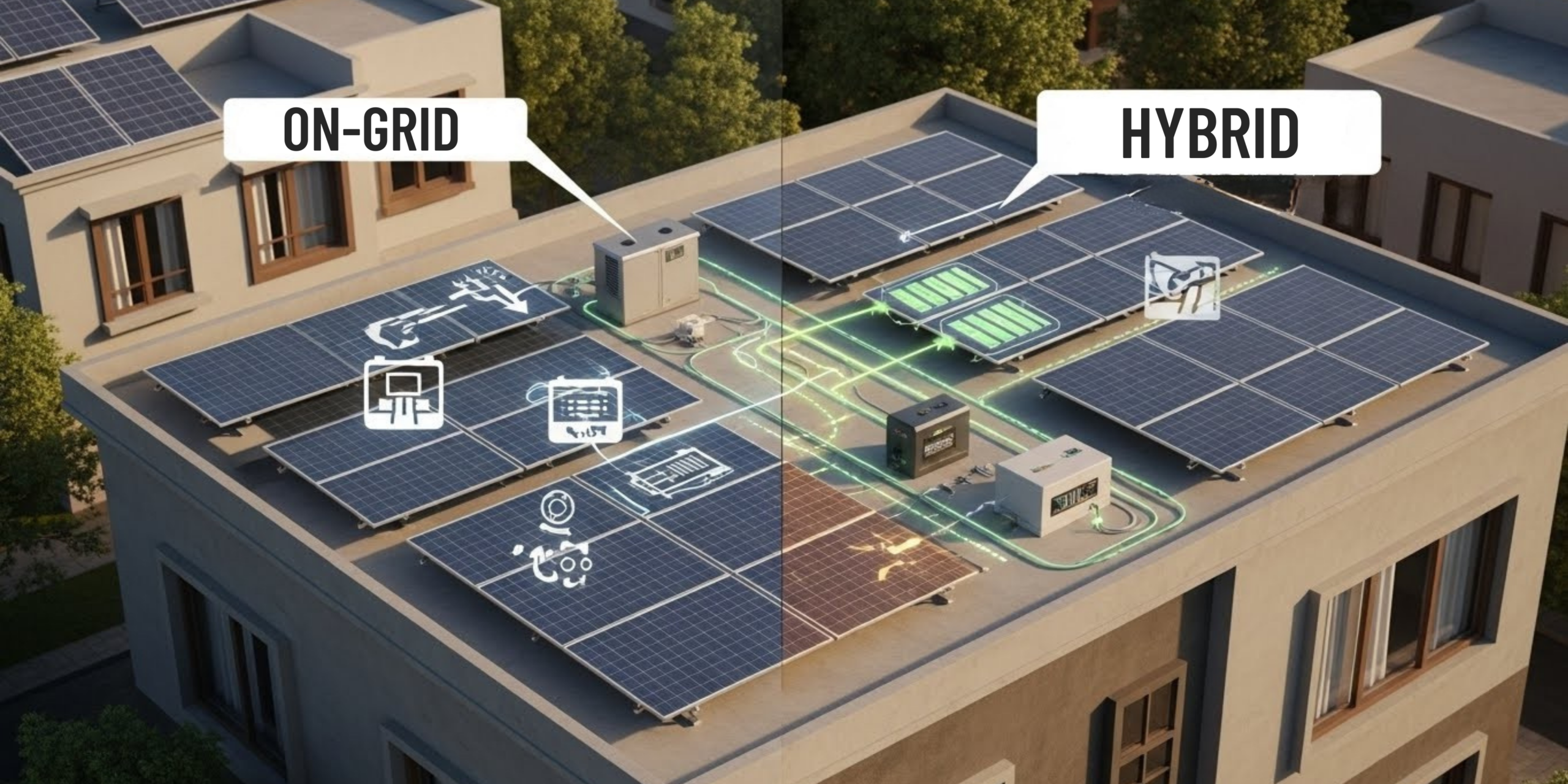
Pakistan’s solar energy revolution continues to grow rapidly — but with growth comes change. Recently, the National Electric Power Regulatory Authority (NEPRA) updated its net metering policy for solar power systems, shifting how solar consumers are credited for excess electricity exported to the grid. At Cell Max Power, we understand that solar buyers are keen to know what these changes mean for their long-term savings, and how choosing the right solar setup — whether grid-tied or hybrid solar solution — can make all the difference.
In this blog, we’ll break down the NEPRA changes, explain how they affect residential and commercial solar owners, and show why investing in a smart combination of grid + hybrid solar systems still delivers strong returns, energy security, and independence.
What Changed in Solar Net Metering?
Under the old net metering framework, solar owners received credits on their electricity bills at nearly retail rates for surplus energy sent back to the grid. This made solar installations extremely attractive: excess daytime production offset evening or low-generation usage, leading to faster payback periods and bigger monthly savings.
NEPRA’s new policy reduces the compensation rates for exported solar power. Credits paid to consumers for energy sent back to the grid are now significantly lower than the retail electricity tariff. Instead of being valued like electricity you consume from the grid, exported units are now valued closer to generation cost — typically much lower. This shift affects homeowners who rely heavily on exporting solar power to reduce bills. Instead, the system now encourages self-consumption of generated energy.
What This Means for Solar Owners
1. Lower Credits for Exported Solar Power
Solar owners will see a drop in savings if they depend primarily on selling excess energy back to the grid. Since exported units earn lower credit, systems sized above your actual load will have a slower return on investment.
2. Emphasis on Self-Consumption
To maximize savings under the new rules, the priority must shift to using solar energy as it’s produced. The less energy you export at low credit rates, the more you benefit from high-value solar generation.
3. Importance of Smart System Design
System sizing and planning now matter more than ever. Thoughtful design ensures you maximize daytime consumption and reduce reliance on grid imports during peak hours — which still cost full retail rates.
Grid-Tied Solar Solution — Still a Smart Choice
Many homeowners and businesses have chosen grid-tied solar systems because they are affordable, reliable, and require minimal maintenance. Here’s why a grid-tied solar solution remains highly beneficial:
📌 Lower upfront cost — No batteries required.
📌 Instant utility savings — Solar directly reduces the amount of grid power you buy.
📌 Clean, renewable electricity — Daytime loads get powered by free solar energy.
📌 Reliable connection — When the sun isn’t shining, the grid fills the gap.
📌 Easier permitting and faster installation.
However, under the new policy, exporting large volumes of unused solar energy back to the grid is less profitable. But grid-tied systems still deliver tremendous value through energy savings and reduced monthly bills — especially if you consume much of your generation at the time it’s produced.
Hybrid Solar Solution — A Win Under New Net Metering Rules
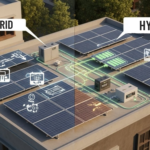
Now more than ever, the benefits of a hybrid solar solution — combining solar panels with battery storage and grid connectivity — stand out as a modern best practice. A hybrid system gives you the best of all worlds:
🔹 Maximize self-consumption
With batteries storing excess energy, you keep more power for later use instead of exporting it at a low rate.
🔹 Energy independence
Battery storage ensures your home or business stays powered during load shedding or grid outages — something grid-tied systems alone can’t provide.
🔹 Peak shaving and time-of-use optimization
Hybrid systems let you use stored solar at peak tariff times, lowering expensive grid consumption.
🔹 Long-term savings
Even if the payback period extends slightly, the real value comes from consistent savings, higher energy autonomy, and reduced vulnerability to rising utility rates.
📌 In a post-net-metering world, hybrid systems help solar owners retain more of their solar generation for productive use, making them more financially effective than simple grid export.
Planning Your System With Cell Max Power
At Cell Max Power, our experts design solar solutions with your lifestyle, budget, and consumption patterns in mind. Here’s how we help:
✅ Load analysis to optimize system size
✅ System design that prioritizes daytime self-use
✅ Battery integration options for hybrid setups
✅ Grid and hybrid solar system comparisons tailored to you
✅ ROI calculations that include NEPRA policy changes
Whether you choose a on-grid solution for affordability or a hybrid solar system for full energy optimization, we make sure your investment works hard for you.
Final Takeaway
The NEPRA net metering changes may reduce credits for exported solar power, but solar energy is still one of the smartest long-term energy investments you can make. What has changed is how you benefit:
🌞 Use more solar production yourself
🔋 Add strategic battery storage
🔌 Leverage grid connection for backup
By choosing the right combination of on-grid and hybrid solar solution, you maximize savings, increase energy security, and future-proof your home or business.


Leave a comment